
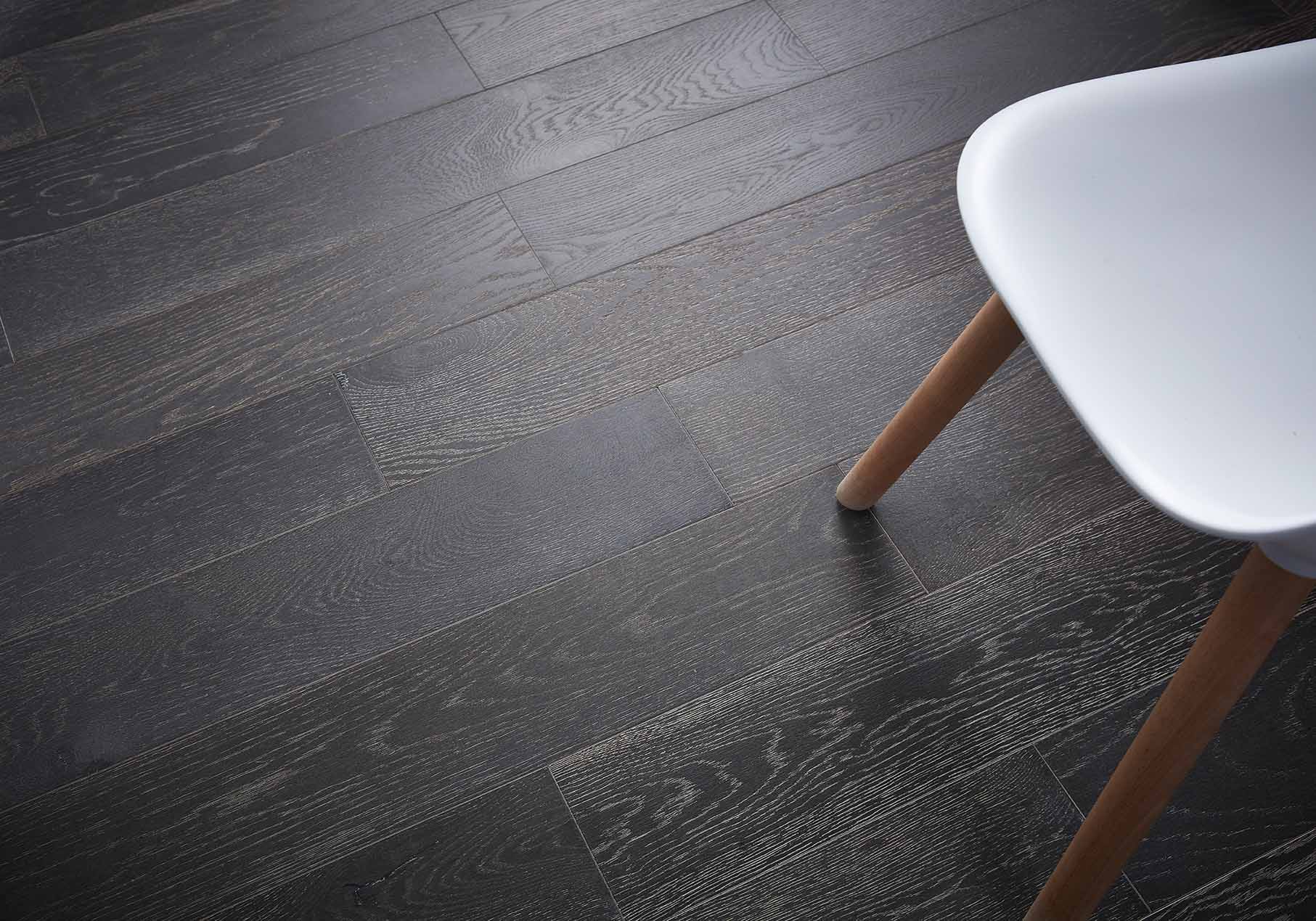
Combining fantastic design with the finest craftsmanship
Established as a family firm in 1903, Atkinson & Kirby continues to be a close-knit team that respects the craft tradition whilst always looking at the future of wood flooring. We're proud to manufacture our flooring accessories in Britain, applying innovation to ensure you constantly have the broadest, highest quality range at your fingertips.
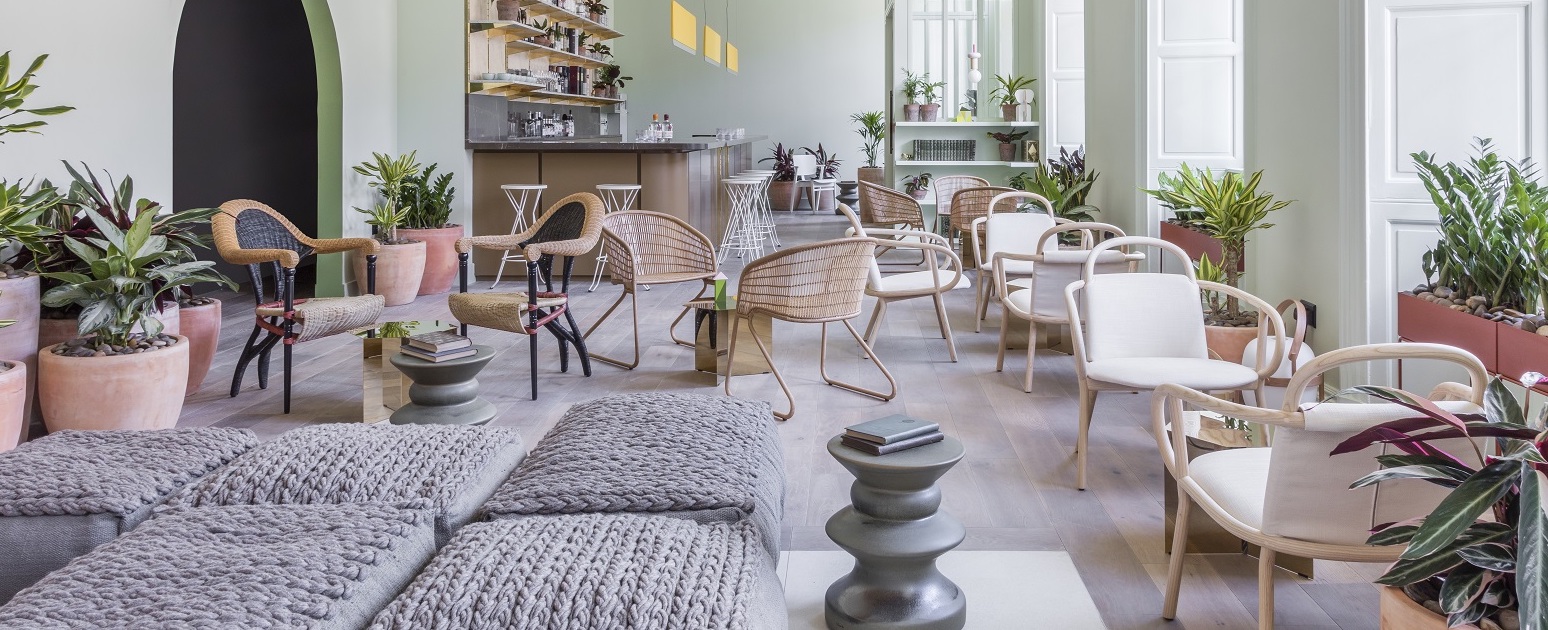
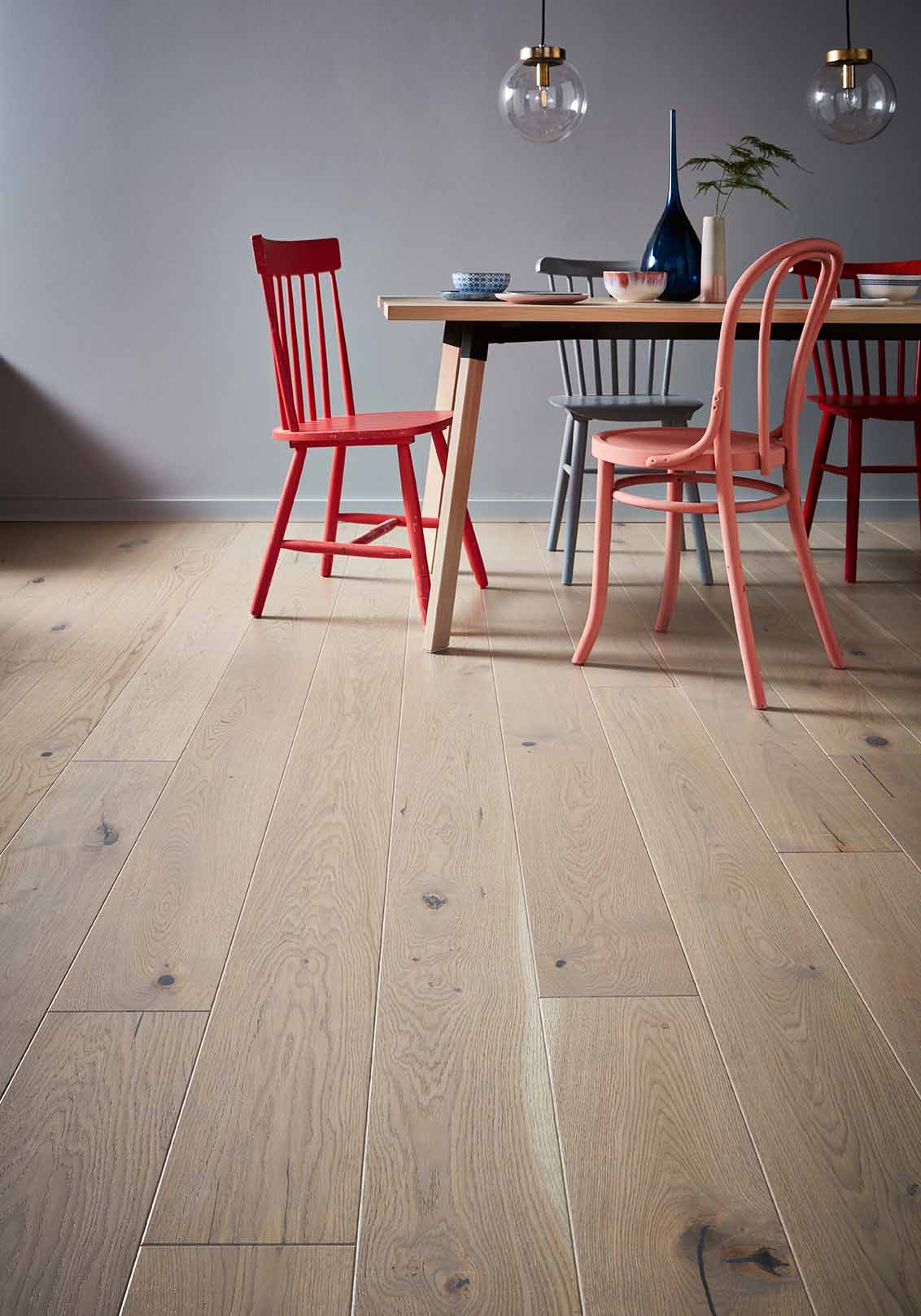
We combine over a century of skill and craft with leading technology to develop the next generation of hardwood flooring.
Our flooring collections are expertly curated to create inspiring spaces for all interiors, with continuous updates following upcoming design trends.
Our History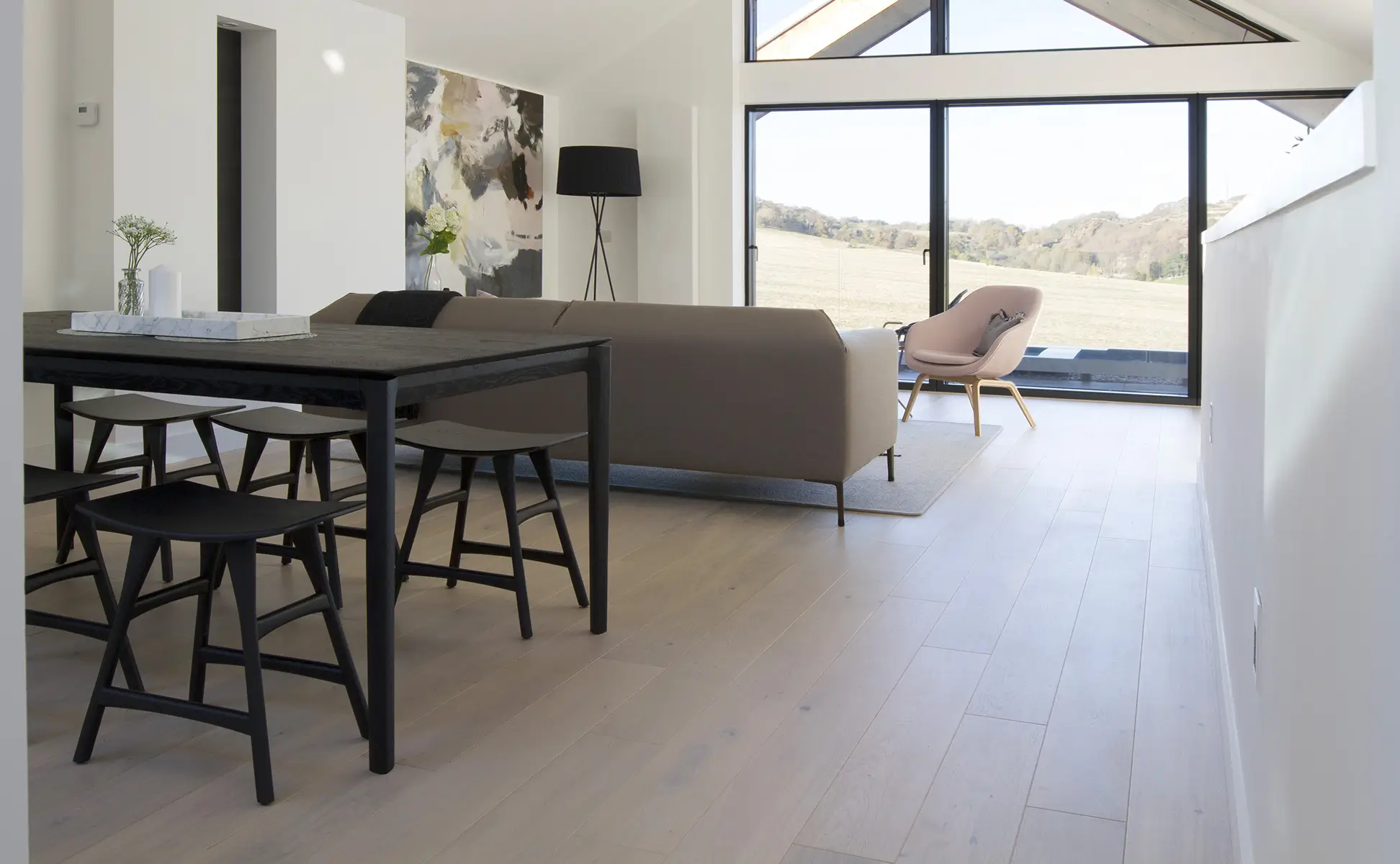

Crafting timber floors sustainabily.
Wood is an amazing natural resource and we feel privileged to work with it. Environmental responsibility is one of our top priorities and we are proud to support sustainable timber production with a host of environmental and sustainable accreditations.
Sustainability
Part of the Archwood Group
We’re proud to be part of the Archwood Group with Richard Burbidge. We’re based in Chirk, North Wales, and specialise in sustainable, high-quality wood products.
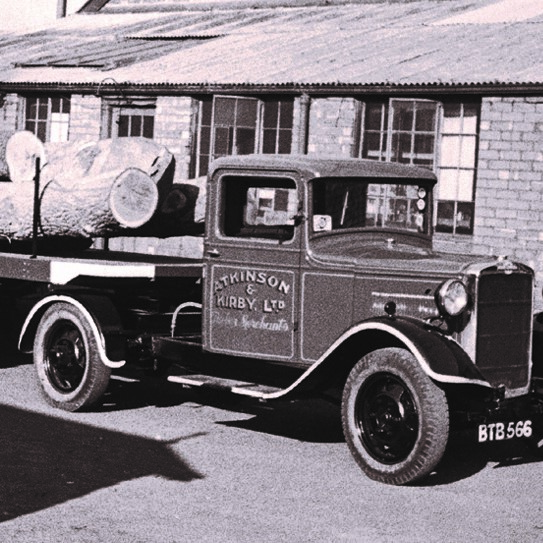
Established in 1903
Atkinson & Kirby was established in 1903 by John Atkinson and John Kirby. Over 100 years later we’re still proud of our traditions and reputation for providing only the highest quality hardwood flooring products for our customers.
We joined the Archwood Group with Richard Burbidge in 2003, and have been operating from North Wales ever since. We’re proud to still manufacture a selection of our flooring accessory products at our mill in Chirk.
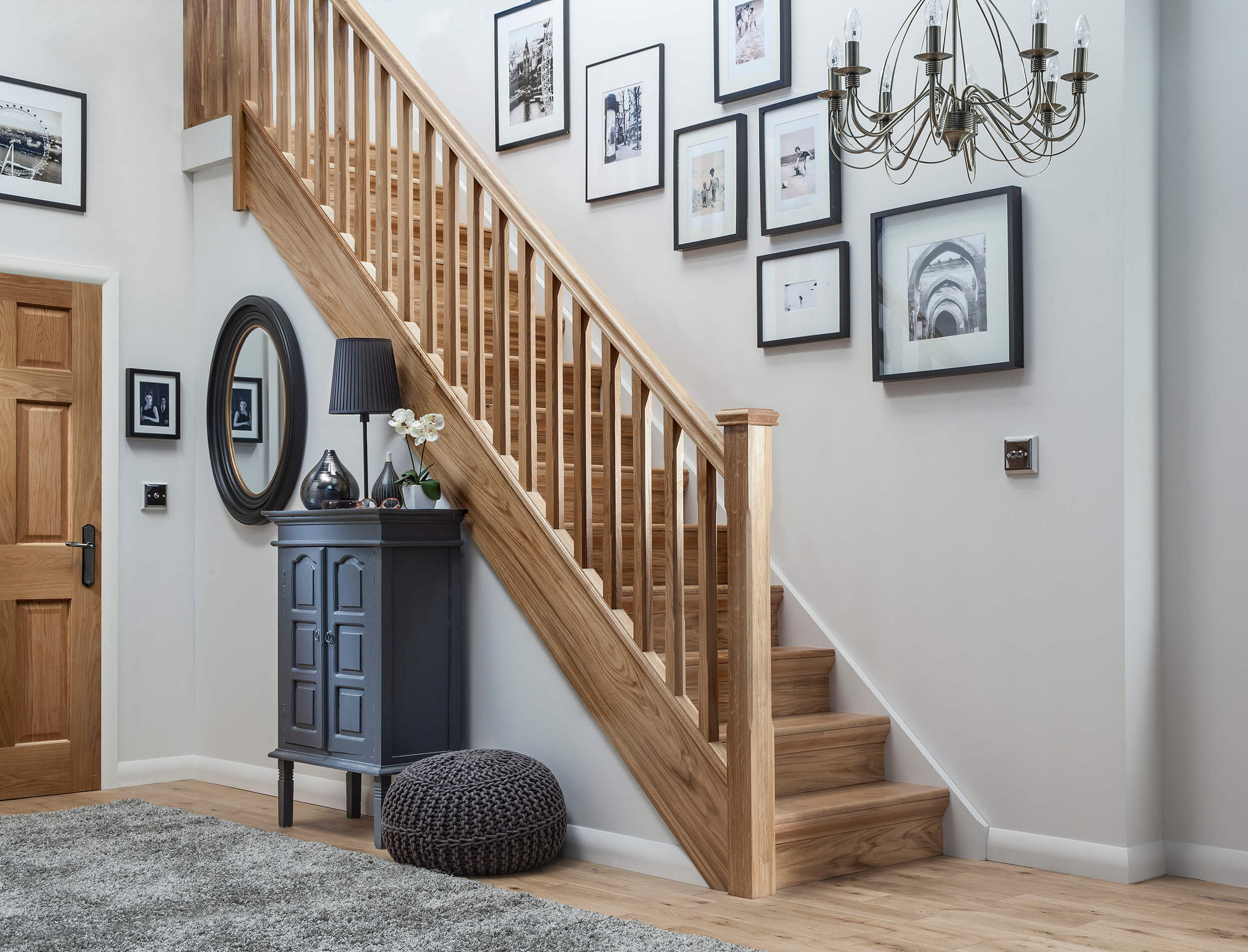
Richard Burbidge
Our sister company Richard Burbidge’s history dates back to 1867, when Henry Burbidge set up a woodworking business in Coventry. Henry’s great-grandson Richard joined the business in 1965, and saw a huge opportunity for manufacturing quality stairparts and timber mouldings. And the rest is history!
Richard BurbidgeLatest Company News
Keep up to date with the latest in flooring development and innovation at Atkinson & Kirby.
View all newsWhat Is Quiet Luxury? Quiet Luxury is redefining how we approach interior design, focusing on understated elegance, quality materials and spaces that feel calm and considered. Rather than following short-lived trends, this style celebrates timeless design choices, natural textures and carefully selected pieces that create a comfortable and welcoming home. Wood flooring plays an important role in achieving the Quiet Luxury look, providing the perfect foundation for interiors that feel relaxed, refined and effortlessly liveable. Choosing the Right Flooring for Quiet Luxury Interiors The beauty of Quiet Luxury is that it can be interpreted in different ways, from warm and cosy spaces to lighter, more understated interiors. The right wood flooring helps set the tone, creating a foundation that complements your chosen colour palette and furnishings. The Prestige Collection from Atkinson & Kirby offers a range of natural wood finishes to help achieve the look. For a warmer take on Quiet Luxury, Harlesden Smoked Oak brings depth and character with its rich tones and natural variation. Pair with soft textiles, warm neutrals and layered lighting to create a relaxed and inviting space. If you prefer a lighter, more contemporary approach, Kensington Oak provides a classic oak look that works beautifully with neutral colour palettes, natural fabrics and simple furniture choices. For a more dramatic interpretation, Eltham Walnut adds richness and contrast with its deeper tones and distinctive grain. Combined with darker accents, elegant furniture and subtle metallic details, it creates a more refined and atmospheric interior. Layering Texture and Colour Quiet Luxury is about creating interest through subtle layers rather than bold contrasts. Combining different textures and natural materials helps create a space that feels comfortable and balanced. Consider pairing your flooring with: o Soft wool rugs and textured fabrics o Linen curtains and cushions o Natural stone and ceramic accessories o Timber furniture and brushed metal details o Warm neutral shades such as cream, beige and taupe The natural grain and variation of wood flooring help add character to a room, while providing a versatile backdrop for furniture, lighting and accessories. Discover our full range of flooring options here: browse our full range of wood flooring
READ ARTICLEWood flooring is a long-term investment in the home. When cared for correctly, it will retain its natural character, stability and appearance for many years of everyday living. At Atkinson & Kirby, our wood flooring is designed for real homes and real use. Each floor combines natural beauty with practical construction, making it easy to maintain with a simple, consistent routine. Everyday Cleaning: Simple and Effective Regular light cleaning is the most important part of wood floor care. Dust, grit and everyday debris can act like fine abrasives, so removing them often helps protect the surface over time. A soft-bristle brush, microfibre mop or vacuum suitable for hard floors is all that’s needed for routine cleaning. This keeps the surface looking fresh without the need for intensive cleaning or specialist products. How to Clean Wood Flooring Properly Wood flooring should always be cleaned gently, using minimal moisture. Best practice includes: Using a lightly damp mop, not a wet one Choosing a pH-neutral wood floor cleaner Cleaning spills as soon as they happen Avoiding steam mops and harsh chemicals Atkinson & Kirby engineered wood flooring is designed for everyday home environments, making routine cleaning straightforward when these simple steps are followed. Scratches and Everyday Wear Light marks and surface scratches are a normal part of living with real wood flooring, especially in busy areas such as hallways, kitchens and living spaces. Minor wear can often be reduced using repair oils, wax sticks or colour-matched fillers. Deeper scratches may require more specific repair depending on the floor’s finish. Our line of WOCA all-in-one maintenance kits are the ultimate solution for effortless cleaning, protecting and enhancing the natural beauty of the wood. Explore the kits here. One of the key advantages of real wood flooring is that it can often be refreshed over time. Unlike many synthetic alternatives, it offers the ability to restore its appearance rather than replace it. Light vs Dark Wood: What to Expect The colour of your floor can influence how everyday wear is seen. Light wood floors like our Manoa Oak or Seba Oak tend to disguise dust and fine marks more easily, making them a practical choice for busy family homes and bright interiors. Whereas, dark wood floors such as those in our Antique collection like our Aldwych Oak create a strong, elegant look but may show dust and footprints more readily, particularly in areas with strong natural light. Atkinson & Kirby offers a wide range of natural tones, helping homeowners choose a finish that suits both lifestyle and design preferences. Engineered vs Solid Wood: Care Over Time Both engineered and solid wood flooring are designed for long-term use, but they offer different benefits. Engineered wood flooring provides excellent stability and is ideal for modern living, including homes with underfloor heating. Solid wood flooring offers the greatest long-term flexibility. It can typically be sanded and refinished multiple times, allowing the surface to be restored rather than replaced. This makes it one of the easiest flooring types to maintain over the long term. Explore the full Atkinson & Kirby range here.
READ ARTICLE